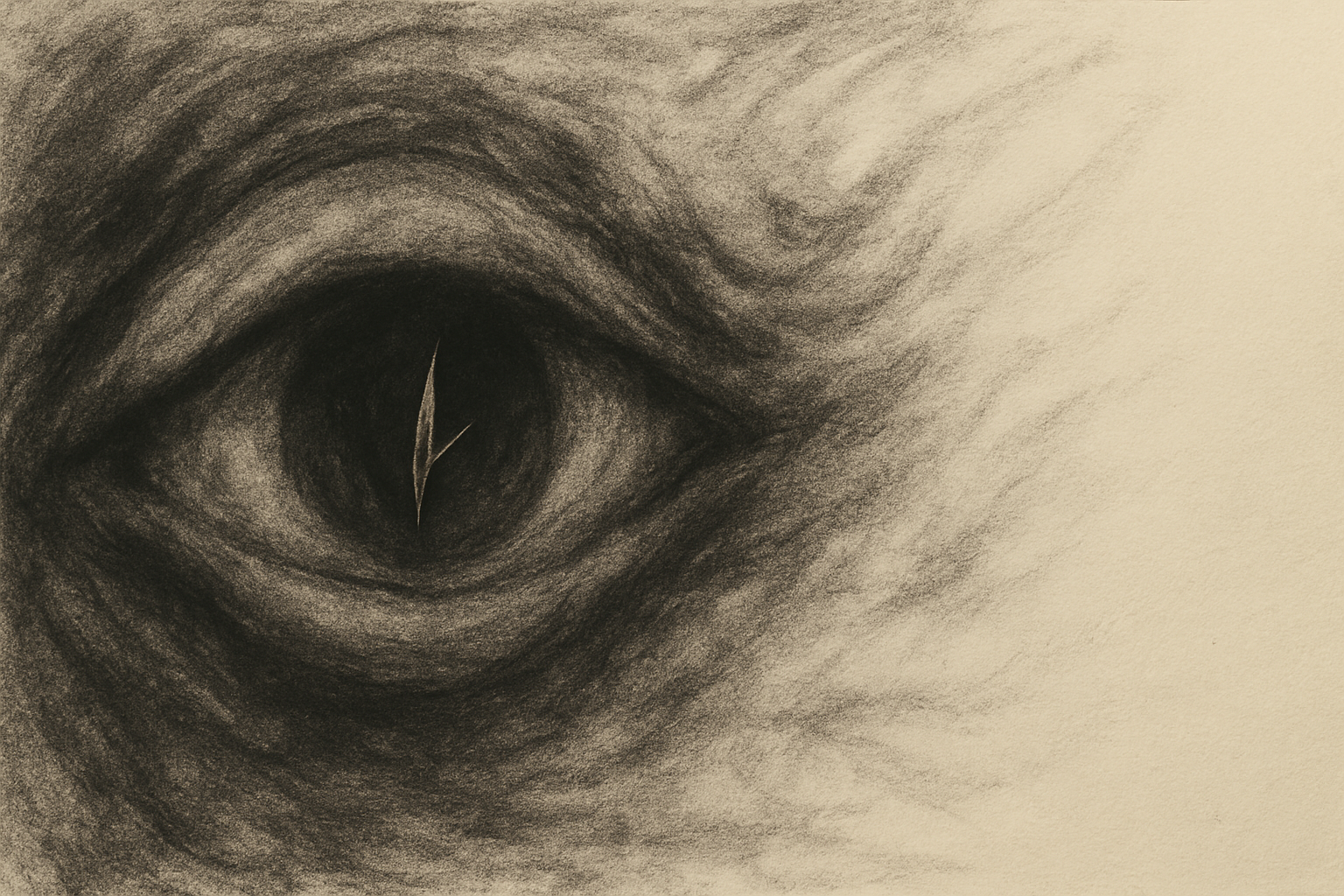
The Speck in Your Own Eye
La Paja en tu Propio Ojo
A student expresses gratitude for the teacher's openness, which brought her into contact with deep feelings of anguish and rage. The teacher responds with a reflection on turning attention toward oneself rather than focusing on what is wrong with others.
The Speck in Your Own Eye
A student expresses gratitude for the teacher's openness, which brought her into contact with deep feelings of anguish and rage. The teacher responds with a reflection on turning attention toward oneself rather than focusing on what is wrong with others.
Your openness gives me more contact with those kinds of feelings. It's a beautiful way to express it, thank you. I know it's hard, because you are expressing yourself so openly that it makes me come into contact with different stories about anguish and rage. You make it work. I feel that you touch my history. It's a different experience, but a very good one.
Thank you. My pleasure. It's everybody's experience.
Turning the gaze inward
Yes. And what about the other saying you mentioned?
I forget the exact expression now, but it basically says: instead of focusing on what's wrong with the other person, on what they should be doing, on the problem with them, look at yourself. When one is caught up in all of that, it is because one is not seeing something in oneself.
The idea is not to try to help the other person see better by helping them remove the speck from their eye. First, remove it from your own.