When Pain Is Known as Love
Cuando el Dolor es Conocido como Amor
A conversation about the difference between unnecessary suffering and the pain that accompanies genuine freedom, and why the deepest truths are so easily miscommunicated.
When Pain Is Known as Love
A conversation about the difference between unnecessary suffering and the pain that accompanies genuine freedom, and why the deepest truths are so easily miscommunicated.
I wanted to ask you something about what you were saying earlier. At one point you said something about pain, that you prefer not to feel pain or that others feel pain. I'd like to clarify this a bit, because after what happened to me last session, I was thinking: I prefer not to feel what I would call unnecessary pain, psychological pain, stupid pain, or that others feel that. But the pain I felt last time, I highly preferred to feel that. It was actually noticing the beauty in it. I can say I highly prefer to be able to feel that kind of pain. In that case it was for someone else. The experience was powerful.
I don't think you misunderstood. What you mean is simply: I prefer not to feel pain, but I would never avoid it if freedom is at stake. What I think you're saying is that you discovered a freedom, a love, a way of being and living. And it required you to feel pain; it was part of that. So I'm simply saying: if there isn't a trade-off, of course no pain and no fear is better. But that's not how it works. And that's why I'm constantly saying that this work usually requires us to go more into our fear and our pain.
Just out of preference, yes. If I can have one or the other, I'd rather have one.
Right. Like preferring strawberry ice cream over green tea ice cream.
Pain, fear, and love
You were saying something to me the other day that was so beautiful about pain. It was something about the transmutation of feeling, at the ultimate level it becomes almost like an offering, a willingness. It had something to do with the Christ, I think.
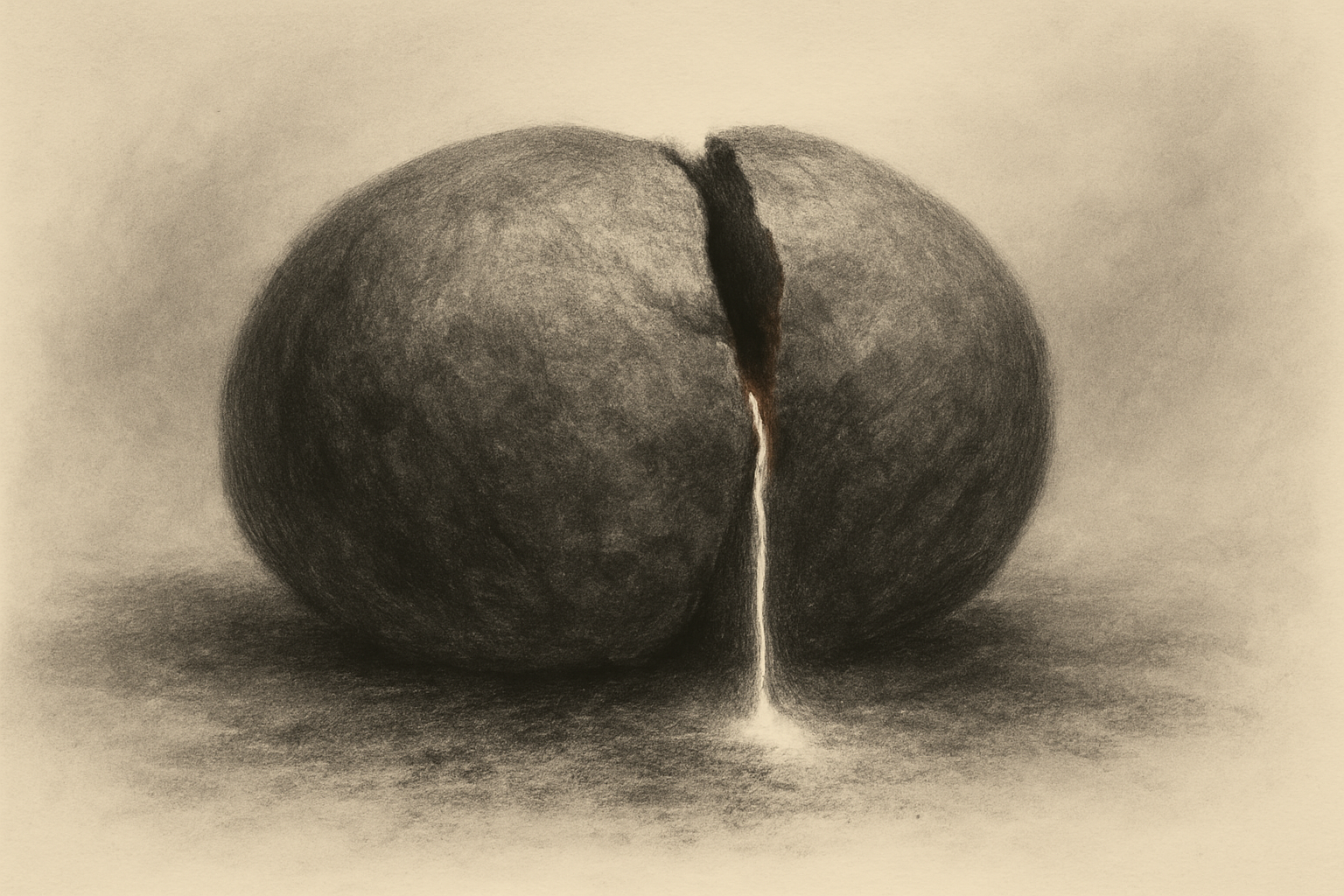
Pain is really only difficult because of fear, including physical pain. I've gone through a lot of physical pain, and my experience with it is that it's the fear that turns pain into something very difficult. When the fear is faced, that pain (and this is maybe very strange to describe) is known as love.
And that's actually why, when you were really dark at certain times in our relationship, I would try to resist you. I would try to pull you out of it, and that would just drive you nuts. It would make you more upset. So I learned to just go into it with you. That was so painful, but it was actually what we needed as a couple: not to resist feelings, because then you cut the empathy and connection. And that's what it seemed like was happening last time. It was total love, connection, empathy for that man who got hurt or killed.
The danger of misunderstanding
It's very easy, when putting into words what seems the deepest reality, for it to be miscommunicated and misunderstood. I think that's why many things have been kept secret. Today, these teachings are becoming more and more open. For example, the Buddhist teaching of anatta, or "no self." I've heard through other teachers that people have ended their lives because of that, out of the desperation they experienced by misunderstanding and misinterpreting the teaching.
There is a sense in which maybe I was a bit serious today, because some of the things we are talking about are of that nature. They are very difficult to communicate, and I do feel, especially in those moments, a responsibility for what I say to be complex enough that it cannot be easily misinterpreted. It's very simple to say everything is beautiful, and it feels like the most direct truth. But then the conversation arises: what about war? What about murder? What about all the horrible things? And I invited that conversation by guiding the meditation the way I did.
Is it similar to Stoicism, where they say "meditate on death" because it helps you to really live? When you were talking, although it was quite serious, it was also really beautiful, because it is a reminder that, as you say, because life is so transient, it's all the more precious.
Yes, exactly.