When Emotions Feel Stuck in the Body
Cuando las Emociones se Sienten Atrapadas en el Cuerpo
A student shares the power of a recent meditation session and raises a question about compulsive emotions that seem to lodge in the body, becoming habitual patterns difficult to release.
When Emotions Feel Stuck in the Body
A student shares the power of a recent meditation session and raises a question about compulsive emotions that seem to lodge in the body, becoming habitual patterns difficult to release.
I want to share that the meditation was wonderful. I had never done it before, combining the free dynamics in one meditation, and it was extraordinary. At the beginning I had to leave the room, so I missed a little of what was said. But what happened to me during the "Who Am I?" portion was remarkable. It wasn't the part where I had to repeat the word. I noticed restlessness, and then I started going deeper into what was actually happening rather than what my mind was telling me. It was something unbelievable that had never happened to me before.
I also want to say that the meditation recordings you sent us were really beautiful. I use them during the day when I can, and I truly appreciate them.
I also want to raise something about what happens in our bodies with emotions and thoughts. It's very important to recognize when an emotion becomes compulsive. The emotion comes with the thoughts, our hormones shift, and we fall out of balance. It's not easy for the body to stop that anxiety, that anguish, and everything else that arises. What you are doing with this form of meditation practice is so important. Thank you. That's my little sharing.
The relative superficiality of emotions
Thank you. When emotions get to the intensity you're describing, that's where you can go down to basic counting. But even that, if it's too hard, try noting instead. Noting requires more of your focus and energy, which can help pull you out of the emotion.
It depends on what's happening, but it's important to be able to see the relative superficiality of emotions. Emotions can be interpreted as evidence of something. If one is afraid, one can interpret the sensation of fear as evidence that there is real danger. If one is feeling anguish or anxiety, one can interpret that sensation as evidence supporting whatever narrative is creating it. That reinforces the conditioning and the habitual pattern.
Removing the attribution of reality
So it's important to be able to do what Roberto would call non volorum: to not pay attention to it, to give it no real value. You basically remove any attribution of reality to it and simply notice that it's there. That's what's happening; that's what's here. But you are not investing attention in it. "Not paying attention" means: I was attributing real value to this, and now I remove that attribution. That is the non volorum.
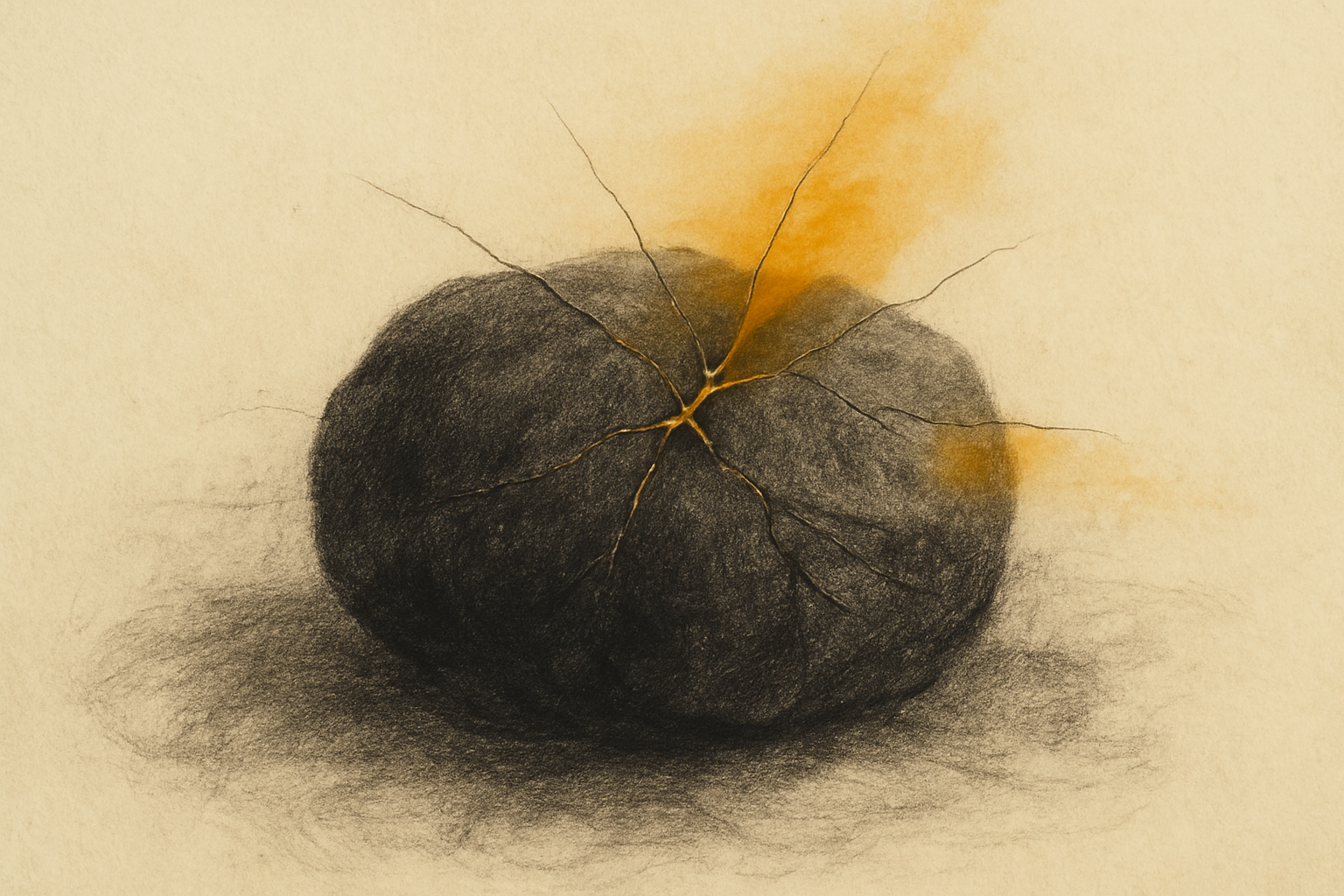
Yes, I agree with that. But sometimes it's like a neural structure. I don't know how to say it exactly. The emotion stays in our body. There's a contraction, and we keep repeating it again and again. In my history, it becomes anger. That emotion belongs so deeply to my body that sometimes I have that experience and I can't simply set it aside.