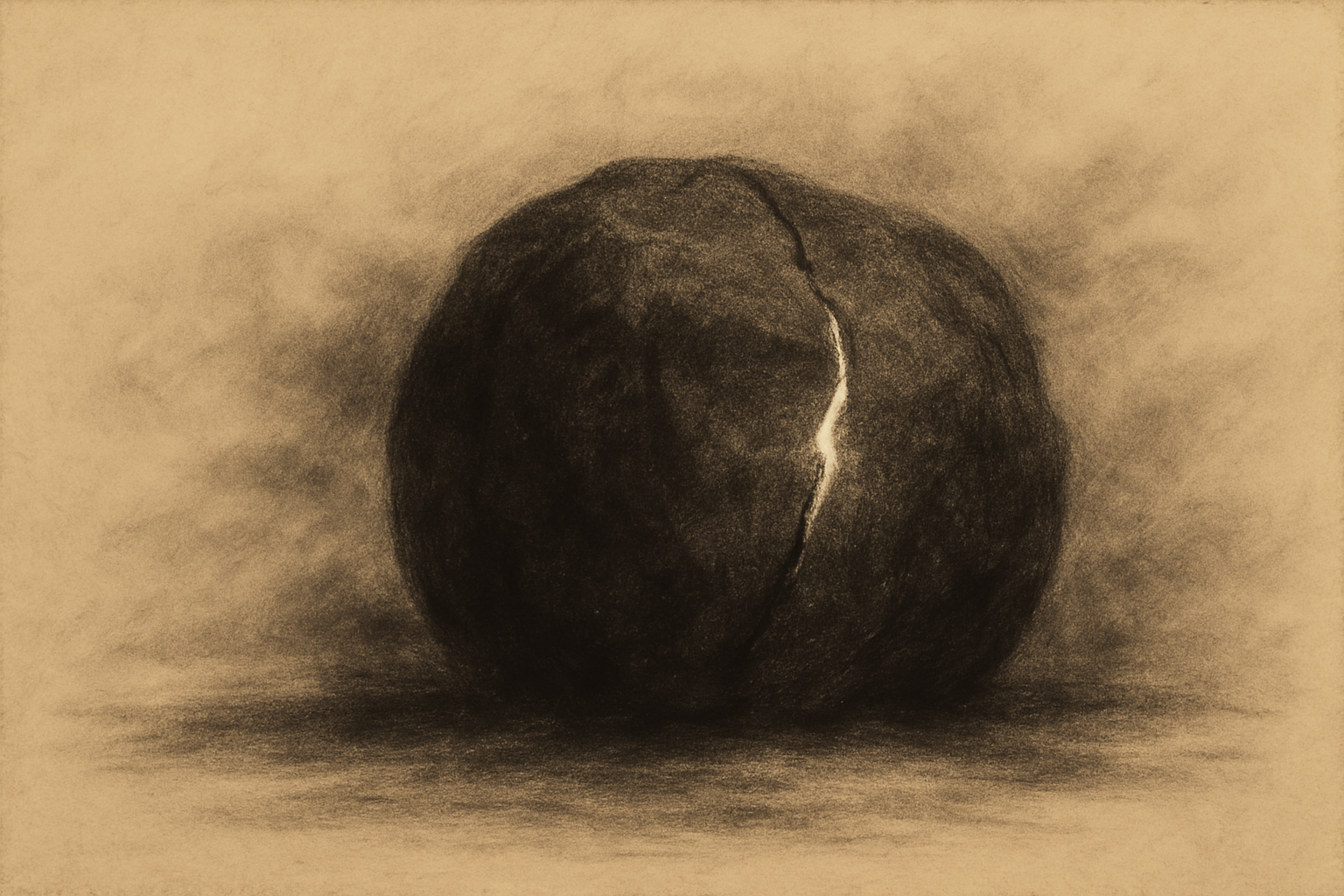
When Fear Arises in Practice
Cuando el miedo surge en la práctica
A student asks about the role of fear and pain in meditation, and the teacher clarifies that these are natural parts of a process, not goals to pursue or signs that something is wrong.
When Fear Arises in Practice
A student asks about the role of fear and pain in meditation, and the teacher clarifies that these are natural parts of a process, not goals to pursue or signs that something is wrong.
The experience was wonderful, and when you spoke about fear and pain, about how just being in the now can make fear and pain feel stronger, and how we try to avoid that with our thinking, with our thoughts. It's such a different experience from the thoughts I usually have about stopping the mind or feeling peace or being comfortable in meditation. I know meditation isn't about being comfortable, but I feel the intention behind using different techniques to stop something. I don't feel the fear and I don't feel the pain, so please help me understand, in case I'm misunderstanding something.
If there is no fear and pain, there is no fear and pain. When I spoke about fear and pain, I think it was right before the meditation. I was talking generally about what happens when fear and pain come up. They come and go. So I was speaking generally: in a process, when we start doing this work, we will encounter fear and pain repeatedly.
In a way, they never fully end, because there is the fear and pain of being human. But there is a deeper aspect that does end. A certain kind of pain and a certain kind of fear does come to an end, but it has to be faced. It's not something you can have a strategy for and just do. I talk about it simply as something to be aware of as part of a process.
Preparing, not prescribing
It's like having a ten-year-old: there is a thing called puberty, and these are the kinds of things you should expect, and this is what's going to happen, so that a child growing up isn't surprised and doesn't know what to do. That's the sense in which I speak about it. I think all of us have encountered that kind of fear and pain at some point, and it's good to understand what it is and how to relate to it.
For example, to know that it's not that something is wrong. Because the first interpretation is always, "Something is really wrong with me, with my life, with what I did. How did I get here? I've made wrong choices." And so on. To know there is fear, and that it can actually be a good thing; to know there is pain, and that it too can be a good thing. But not to create a strategy to manufacture fear and pain. I'm referring only to when it naturally comes up in the process.
No strategy needed
It's all about allowing and letting be what is. If you're sitting to meditate and thinking, "There's no fear, there's no pain, I must be doing something wrong, I need to get to that," then again, that's a strategy to get somewhere, and it's not the point.
I understand that when I speak about these things, it can be taken that way. As soon as we moved into the meditation after that discussion, I think I started by clarifying that there is nothing to do and nowhere to get to. I was aware it could be interpreted as, "I will only be free if I go through this fear and pain." So I was pointing to the other side: nothing needs to happen. We are already free.
Realization versus belief
But that has to be realized. When I say, "You are already free right now, as you are," you can take that as a belief and then act according to a belief system of what "free right now" means, which is very different from the realization itself. What is true, we can say: you already are what you're looking for. You are already free. Peace is already here. But then there must be a process for that to become a realization. Otherwise, the danger is that it becomes merely a belief.