Guilt as Control
La culpa como control
A question arises about the nature of guilt, and the teacher explores how guilt functions not as moral guidance but as a mechanism of fear-based self-control that eliminates genuine freedom of choice.
Guilt as Control
A question arises about the nature of guilt, and the teacher explores how guilt functions not as moral guidance but as a mechanism of fear-based self-control that eliminates genuine freedom of choice.
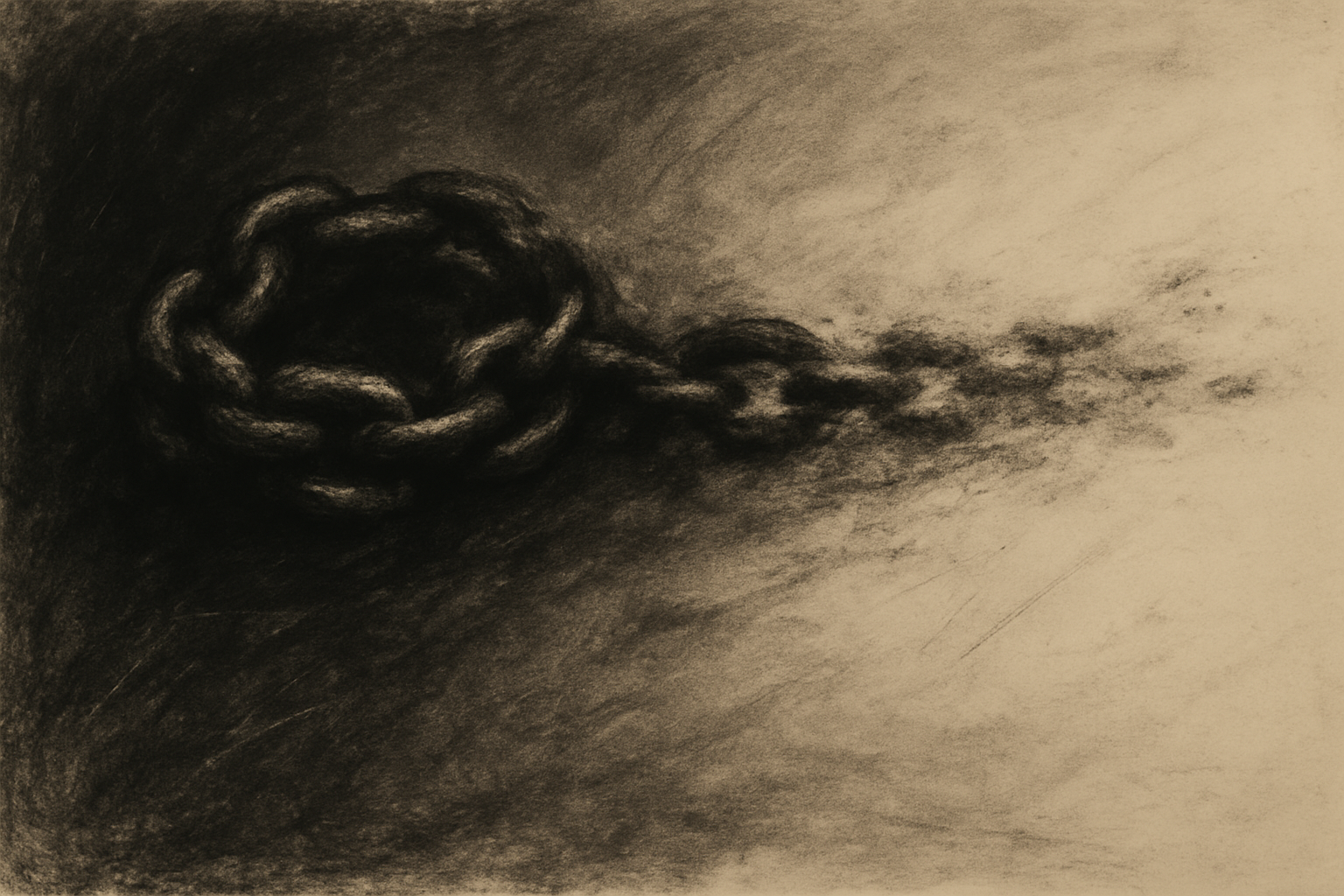
Things can become more energetic in the sense that you could start to experience something beyond just images and narratives. It becomes more embodied, and it can shift and move. For example, if what comes up is the sense of guilt, as you were mentioning: guilt is something we invoke, something we produce as a way to control ourselves.
The moral disguise of fear
It masquerades as a kind of moral sense, a feeling of "I'm doing the right thing." But in fact, it is self-control rooted in fear.
There is no free choice otherwise. If I am habitually invoking guilt because I am in fear, I will always choose the same way. There is no freedom in that.