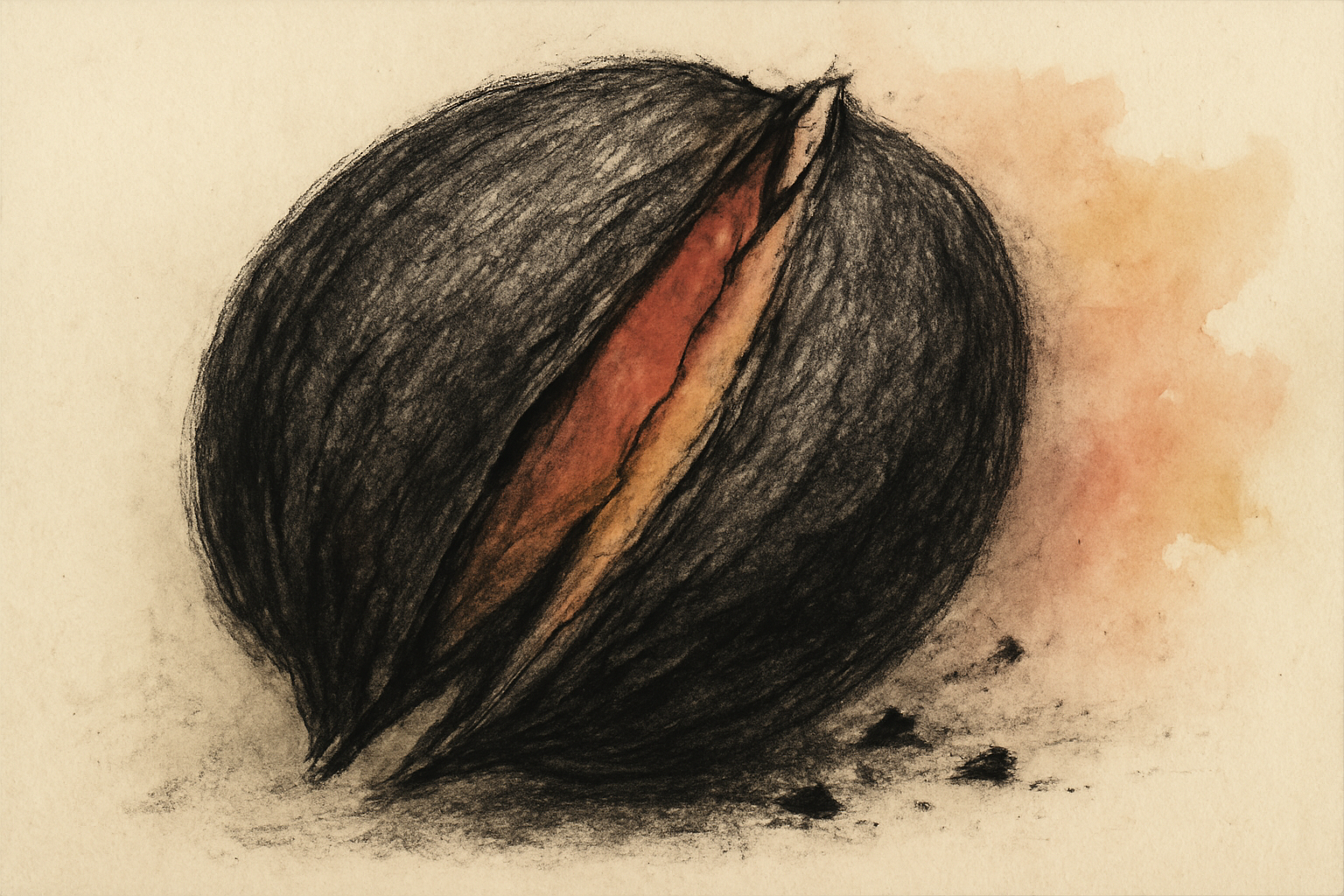
When the Anger Breaks Open
Cuando la Ira se Abre
A student shares how the practice of meeting difficult emotions directly has begun to transform a conflicted relationship, revealing joy and intimacy beneath habitual anger.
When the Anger Breaks Open
A student shares how the practice of meeting difficult emotions directly has begun to transform a conflicted relationship, revealing joy and intimacy beneath habitual anger.
What are we gaining if we were to snap out of that reality-making? With our mind, with our interpretation, if we were to snap out, we would feel something that at first would either be unbearable, overwhelming, or too difficult. The pointer here is: just keep going there. Something in our nature can swim at infinite depths. It just takes a bit of time to adjust. We have the capacity to go a little deeper, and then that becomes natural. There is an ease and a flow. And then a little deeper feels like too much, so we go a little deeper still.
I just want to share something positive, just for once.
Of course. For once. Only this once.
I've been working through a lot of conflict in my relationship with my son. There's been so much anger; I get triggered so easily. But ever since I was encouraged to do this work, there have been a couple of times, just a couple, where the anger shifted to outright laughing. We were angry at each other, and then we just looked at each other, and it was so ridiculous. He's way more in tune with his own feelings than I am, but the shift was unmistakable. There is so much joy in that moment when the controlling anger falls away. It was just unbelievable. So thank you for encouraging me to do this work.
The shift beneath anger
You're very welcome. That's beautiful. That is exactly what I'm talking about. There is that shift, and then suddenly what seemed so real and important, you're laughing at, because it's ridiculous. And what's underneath is joy. And intimacy.
It's like we're so angry at each other because we care so much about each other and have so much love there. That's why we're fighting so much.
That's beautiful. I'm really happy about that.
Thank you, everyone, for supporting me and each other in this work. I have to go. A fear of loss just came up.
Going deeper into what's behind the feeling
Yes. And so by relating more directly to the fear, right now it's appearing in the form of bubbles and glimpses of narratives, situations, and experiences. You can keep pulling on that rope and experiencing what's deeper, what's behind that, what's after that.
It's not that whenever I feel a sense of guilt about doing something, now that I realize it's guilt, I must always do that thing. No. But it is important to know that that is the dynamic at play.