The Beauty of the Illusion
La belleza de la ilusión
A question about tracing compelling narratives back to their root in fear, and the sentimental attachment that makes it so difficult to let the story of "what I am" dissolve.
The Beauty of the Illusion
A question about tracing compelling narratives back to their root in fear, and the sentimental attachment that makes it so difficult to let the story of "what I am" dissolve.
Certain things are becoming much lighter, seen through, and it feels like it's happening on its own. But there are some patterned narratives that still catch me, where, as you say, thought becomes more than thought. It feels very important and compelling. There are patterns around that which seem habitual, part of the conditioning of this body-mind.
To narrow in on the question: when I trace a narrative back to sensation, usually there's fear there. Basically it's fear of not being loved, or fear of survival, which I think are linked. Is that restlessness a fear of death?
Very much.
So if we're able to untangle from the narrative and trace it back, it's just sensation, different expressions of resistance or restlessness or unease, because there's a sense that I'm going to die. And it seems like a rinse-and-repeat process: noticing a narrative happening, asking what the sensation is, tracing that back, finding a fear of death, and then asking, "Can I be with that?"
"Can I be with that?" but also, "What is it that can die?" Because if that doesn't get clarified, then "Can I be with it?" leads to what you just said: nobody can. Only through clarifying what could die and what I am can you transition, so to speak, through that. The transitioning is the dispelling of illusion. But it feels like dying. It's not dying.
Expressed and acted out
Are there certain things that just have to be acted out? You speak a lot about consent, about the fact that we choose. Thinking about the meditation and these natural movements, sometimes it's just like that: anger comes up because maybe, for me, anger has been something I repressed in the past. It seems like sometimes things come up to be expressed, or even acted out.
Those aspects are valuable. They have to do with how the body-mind processes. They're useful, and at some point they seem necessary, but they're not what's driving things. They're an aftereffect of deeper seeing, of glimpses. To allow it, to enable it, to assist it is wise, and there are more or less wise ways of doing that. Acting out anger: it's wise to hit pillows, not to start trashing your place.
At some point it might be helpful to explore it that way. And then it might be seen that you can just observe the anger and it dissipates. Don't force that, because if you're attached to not expressing it, sometimes there are energies that the body needs to move. There's an opening to what you could call shadow feelings and emotions. It's very natural in this process for there to be a lot of pain, a lot of crying, even sobbing. If we have some resistance to that, some idea that it's not okay or shouldn't be happening, there could be a blocking of a natural process of unwinding.
The sentimental attachment
Ultimately we're very attached. We're afraid to die, but we're also very attached to the stories that constitute what we think we are. We don't want that to end. What we don't want to end is the illusion of the story of what I am. When there is identification, we don't want it to dissolve. It's a disappointment. It's a disillusionment. I've seen this in myself, and I've seen it recently with many people I talk to. It's really hard.
It's tempting to want to control.
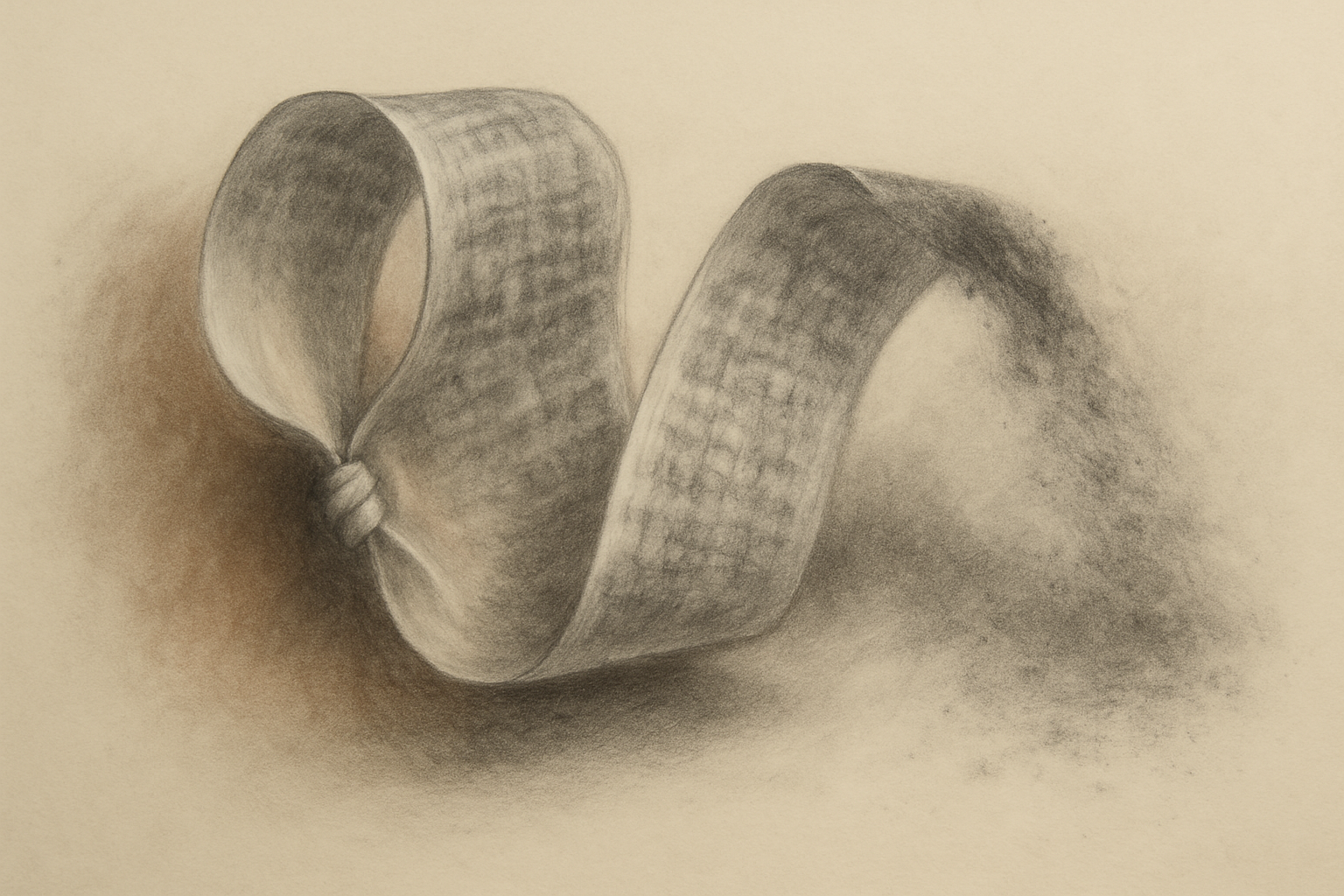
It's hard for many reasons, but I think it's more sentimental than that. It's not just hard in a technical, mechanical way, as in "I can't deal with not controlling." That's an aspect too, but I'm talking about something more sentimental. There's a certain beauty to the illusion, and we want to stay in it. There's a sentimental, emotional attachment to it. But there's also a humbling in seeing that all of my struggles were me creating them.
It feels both humbling and funny in this moment. I want to explore that. I can sense what you're saying about the sentimentality of the story. The examples coming up in my experience are more like: "Oh, that's very juicy." The story adds more juice. When I think about things in terms of the story, suddenly I'm not as present. I'm in this whole narrative in my mind, and it's very exciting. Before that I was just hiking, which is beautiful, I love that too, but the story adds more pleasure to the situation.
The acquired taste
That's exactly what I'm talking about. What happens is that the more the story is seen to be just thought, the more you start to refine what you can savor. I often talk about acquired tastes. I find that to be the only metaphor that fits: something I used to experience as horrible, the same thing is now delightful. It's not because it changed from horrible to delightful. It's like giving whiskey to a five-year-old; the child is going to spit it out. But a very nice scotch or a very nice glass of wine, for someone who has learned to appreciate it, is an entirely different experience. The experience of embellishing with thoughts is actually like adding ice to a fancy scotch. It just waters it down. Don't ruin it.
So then the actual sensations of hiking on its own, with mind doing what the mind does but without focusing on it, will become much tastier. To a point where you don't need to bother with this whole effort of looking at thought and pulling away into sensation. At one point it's completely irrelevant, because thought just goes back to being thought and it's no longer something we're pushing or pulling against. It's hard to describe, but then it's just going to be experience, and thought is just a veil, a filter.
Maybe also, as we've talked about, we don't want to see through the thought because there's a loss in that.
There's a loss, and it can be painful. I'm going to offer a metaphor, though the metaphor isn't going to be big enough, because what we're talking about is actually a really big deal, a big shift. But metaphorically, it's like telling a young child, "We're going out for ice cream," and then just before getting there: "Oh, it's closed. There's no ice cream. We have to go back home." There were twenty minutes of build-up, of excitement, where it felt like that was all you wanted, the most important thing in the world. And then, boom, it's gone. You can't have it.
Intimacy without seeking
That's painful, but I also notice that when there isn't that seeking, there's such intimacy with things. Yesterday I had to take a short nap, and when my alarm went off, there was this sense that the sound was me. I have these moments where it's like, "That's me," and it feels so right and so natural. So yes, there is a lot of pain, but it's also quite pleasurable. Maybe that's what you're describing as the acquired taste.
Yes. The acquired taste is around experiences and sensations that used to be unpleasant. Then some veil is removed, and the experience is known, or tasted, as sacred, delicious, alive, vital, free, loving.
Thank you. I think I'll explore this.
You're welcome.